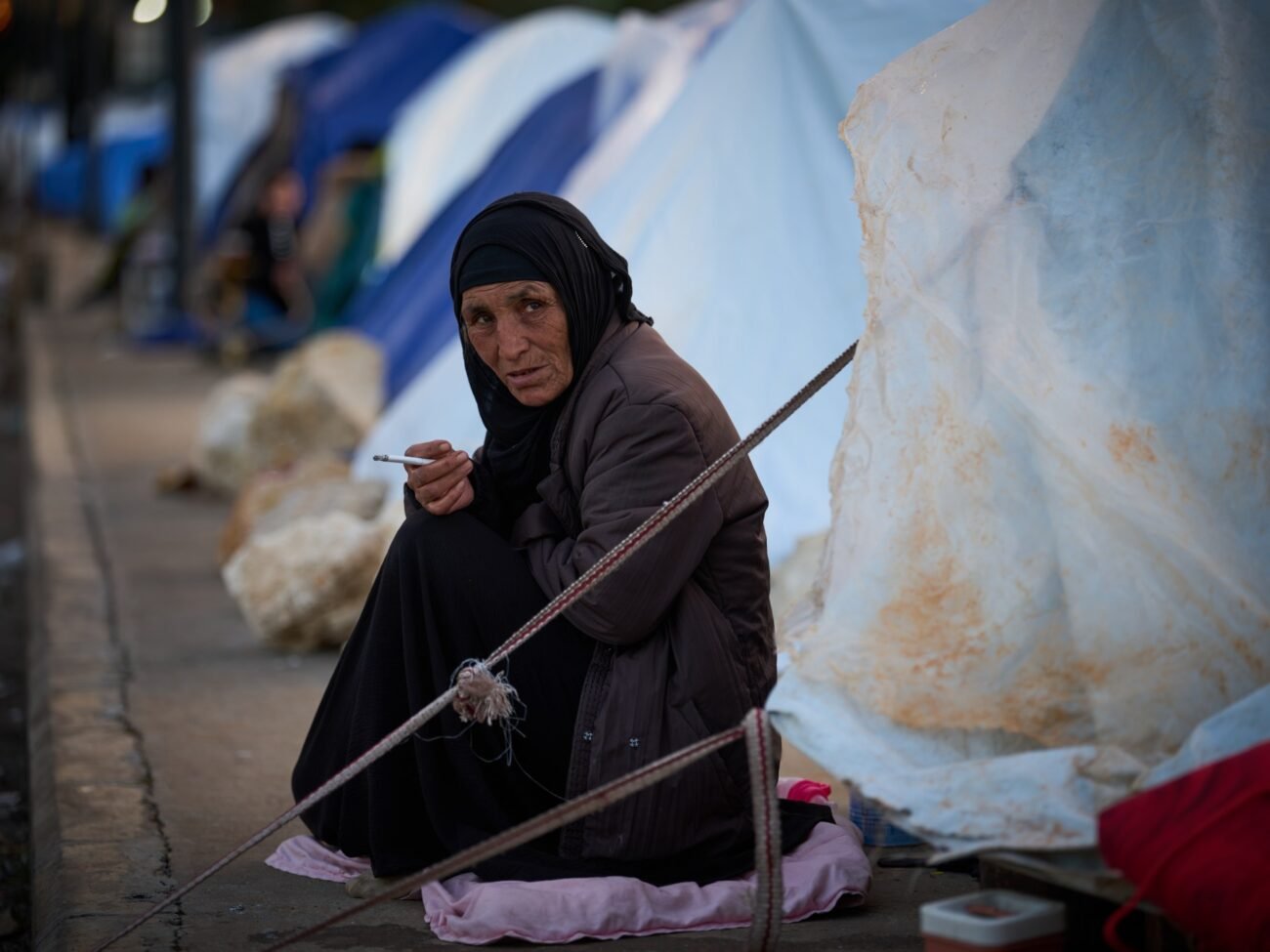
Displaced Lebanese families ‘living in constant fear’ under Israeli bombardment, warns UN Refugee Agency official.
Lebanon faces the threat of a “humanitarian catastrophe”, the United Nations Refugee Agency (UNHCR) has warned, as Israel expands its weeks-long bombardment and ground invasion of the country.
UNHCR’s Lebanon representative Karolina Lindholm Billing said on Friday that Israeli strikes and forced displacement orders have affected people living across the country – from southern Lebanon to the Bekaa Valley, the capital Beirut, and further north.
Recommended Stories
list of 3 itemsend of list
More than 1.2 million people have been forced from their homes since Israel’s intensified attacks against its northern neighbour began in early March, according to UN figures.
“The situation remains extremely worrying and the risk of a humanitarian catastrophe … is real,” Lindholm Billing told reporters during a briefing in Geneva.
She noted that, as displacement numbers continue to rise, Lebanon’s already overstretched shelter system is struggling to meet families’ needs.
“Just last week, there were strikes that hit central Beirut, including in densely populated neighbourhoods … where many people had tried to find safety in collective shelters,” Lindholm Billing said.
“The families are … living in constant fear, and the psychological toll, particularly on children, will last far beyond this current escalation.”
Israel launched intensified attacks across Lebanon after Hezbollah fired rockets towards Israeli territory following the February 28 assassination of Iranian Supreme Leader Ayatollah Ali Khamenei in the US-Israel war on Iran.
The Israeli military has carried out aerial and ground attacks across the country while issuing mass forced displacement orders for residents of the country’s south, as well as several suburbs of Beirut.
On Friday afternoon, the Israeli military said it had begun a wave of air strikes on Beirut. It also issued more forced displacement orders for several areas in the city’s southern suburbs, including the neighbourhoods of Haret Hreik and Burj al-Barajneh.
Hezbollah has continued to fire rockets into northern Israel and confront Israeli troops in southern Lebanon, with leader Naim Qassem stressing this week that the group had no plans to stop fighting “an enemy that occupies land and continues daily aggression”.
Israeli Prime Minister Benjamin Netanyahu also announced plans to expand the country’s ground invasion in southern Lebanon, saying the military would create “a larger buffer zone” in Lebanese territory.
Rights groups have condemned the expanded operation and warned that preventing Lebanese civilians from returning to their homes in the south may amount to the war crime of forced displacement.
“Israel’s tactics of mass expulsion in Lebanon raise serious risks of forced displacement,” Human Rights Watch said on Thursday. “Forced displacement and collective punishment are war crimes.”

The Israeli military’s destruction of civilian homes and several bridges linking southern Lebanon to the rest of the country has also fuelled concerns that Israel is trying to isolate the area.
During Friday’s news briefing, UNHCR’s Lindholm Billing noted that the destruction of the bridges has made accessing southern Lebanon “increasingly difficult”.
“The destruction of key bridges in the south has cut off entire districts … isolating over 150,000 people and severely limiting humanitarian access with essential items to reach them,” she said.
Reporting from Tyre in southern Lebanon on Friday afternoon, Al Jazeera’s Obaida Hitto also stressed that Israel’s forced evacuation orders are “causing a lot of panic” among residents.
“Evacuation orders are happening in areas that were previously thought to be safe,” he said, adding that the destruction and damage to bridges over the Litani River in the south has made the prospect of finding safety more difficult.
“This is putting the government in Beirut in a very difficult situation to try and respond to the humanitarian crisis quickly growing in the south of the country,” Hitto said.
